How to Build Firefly Habitat
Fireflies are found in various habitats. Many species thrive along rivers, forests, fields and the margins between them. The one thing that is universal is the presence of some amount of moisture in those habitats, even if it’s a small depression that holds water during firefly mating season.
Because of this, it’s important to protect the vegetation in these habitats because they have the best ability to trap water in the soil by collecting, storing, and slowly releasing it. Grasses have extensive root systems that do a remarkable job of this. As the plant grows high above the ground, its roots can extend 3-4 times below that in the soil. This helps stabilize the soil, retain moisture more effectively and provide habitat for subterranean firefly larvae and the food they eat – snails, earthworms, slugs and other small insects.
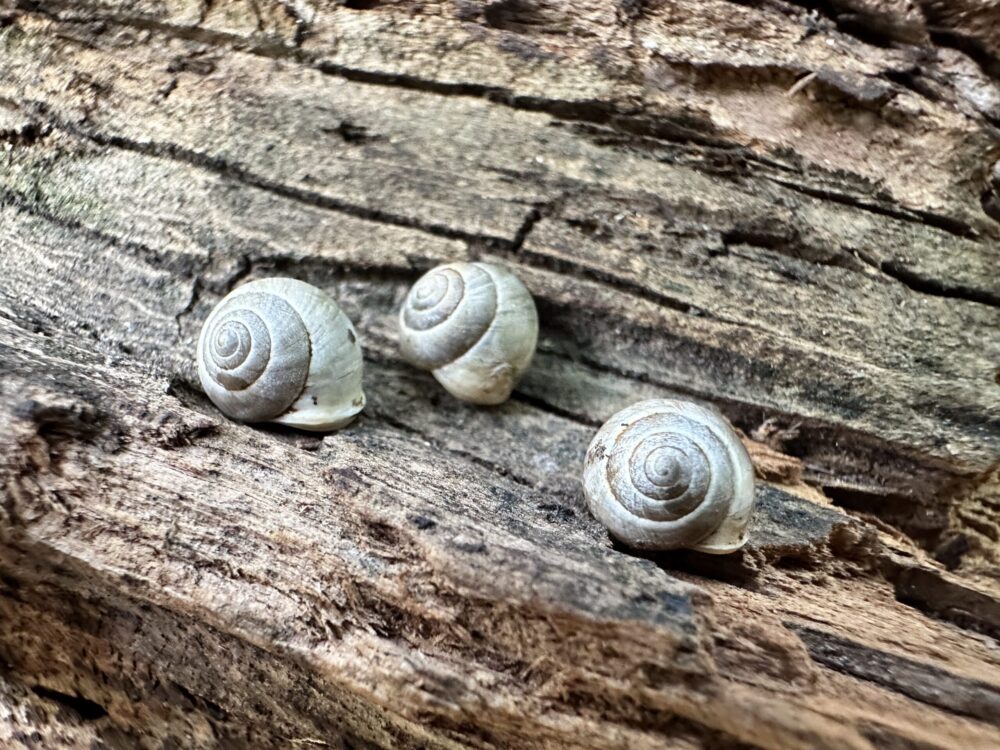
Encourage plant diversity to preserve soil moisture
Native plants found in your local area will do the best job for providing this habitat. In many ways, firefly species diversity is directly connected to a habitat’s plant diversity and health. It’s critical to protect this diversity.
In your habitat, try to do the following:
- Plant native plants to encourage retention of water in your soil. Start with grasses, forbs, leafy shrubs, and hardwood species. Excellent firefly habitat will have a diversity of vegetation of different heights and texture and will have a scruffy appearance. Consider, talking to local plant experts to advise you on what native plants are common in your area. Often naturalist groups or county agriculture agents will be more than happy to help you.
- Avoid shredding or mowing vegetation along riparian areas on either side of a river, creek, marsh, or seasonal wet area. This promotes healthy riparian plants that protect banks and beds from excessive erosion.
- Eliminate invasive species of plants that create monocultures of a single type of plant. These invasives could compete with native plant species better adapted to the climate of your area that harbor firefly diversity. If you have land with a water source, invasive plants’ may also not be able to prevent bank erosion from seasonal flooding events.
- Encourage leaf litter to accumulate. Keep in mind that manicured gardens with heavy mulch layers are poor firefly habitat. While heavy mulch layers prevent weeds, they also prevent rainfall and nutrients from reaching the soil effectively. They also prevent firefly females from laying eggs directly in the soil and gets in the way of larvae accessing snails, earthworms, and other insects for food.
Create a garden to attract fireflies
Gardeners often don’t realize gardens make for great firefly habitat, helping to replace lost natural habitat. The common firefly — the Big Dipper firefly (Photinus pyralis) — readily takes to an organic habitat. The trick is to make your garden as inviting as possible for fireflies to take up residence.
Gardens are meccas for food fireflies eat. If you have fought off snails, slugs, various insects, worms then fireflies can lend a hand by helping to control these pests.
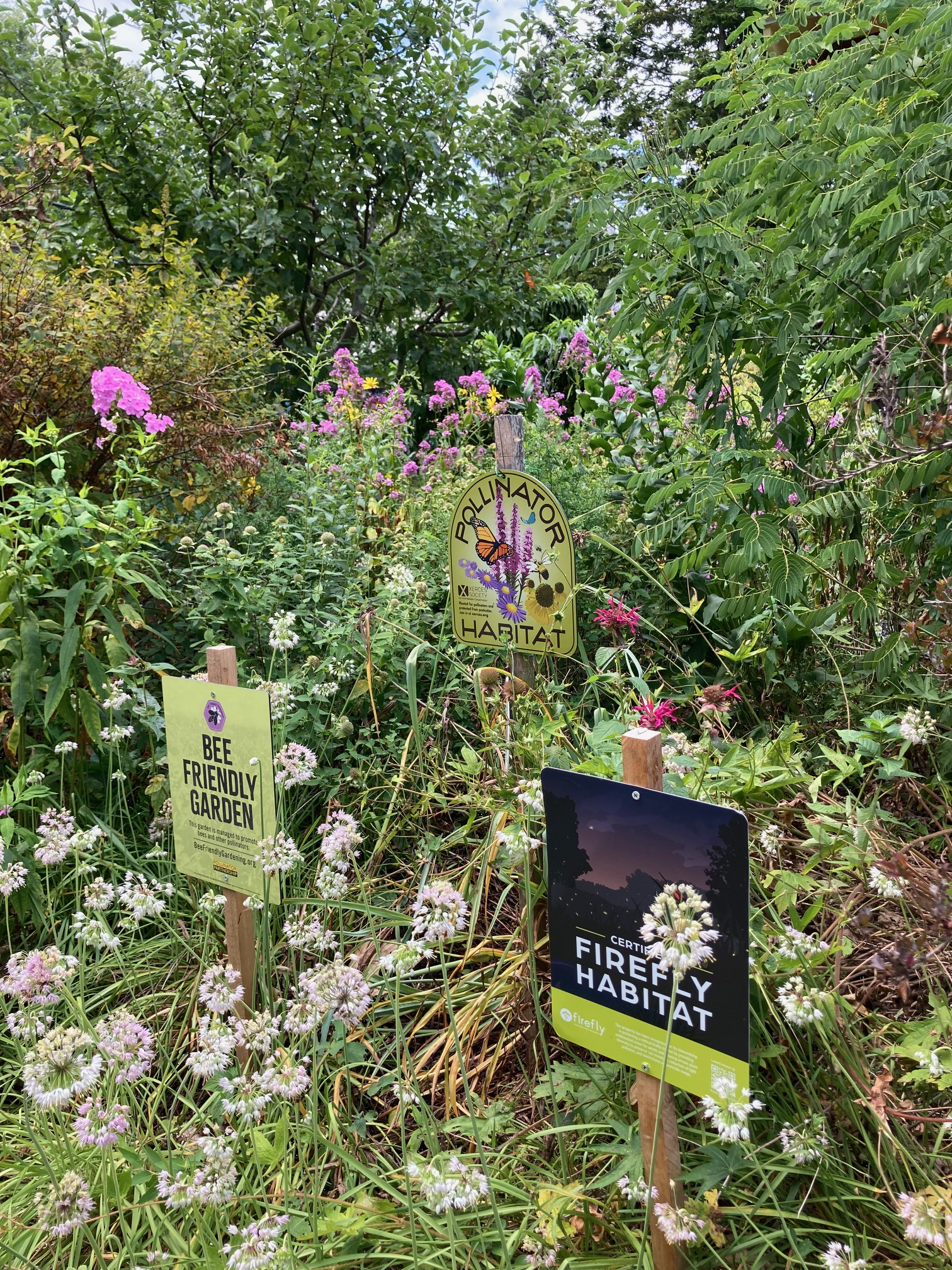
Fireflies spend up to 95% of their lives in larval stages. They live in soil/mud/leaf litter and spend from 1-2 years growing until finally pupating to become adults. This entire time they eat anything they can find. As adults, they only live 2-4 weeks. Females that have mated successfully need a place to lay eggs. They will lay eggs in many spots, but gardens offer an oasis with a source of soil moisture good for larval development.
Some inventive tips for attracting fireflies
Install a few rotting logs
Dead wood and decaying logs are often found in the habitats that firefly live such as the vegetation that occurs next to a river or stream. These logs naturally fall from trees next to the waterway but also get washed down stream in seasonal floods.
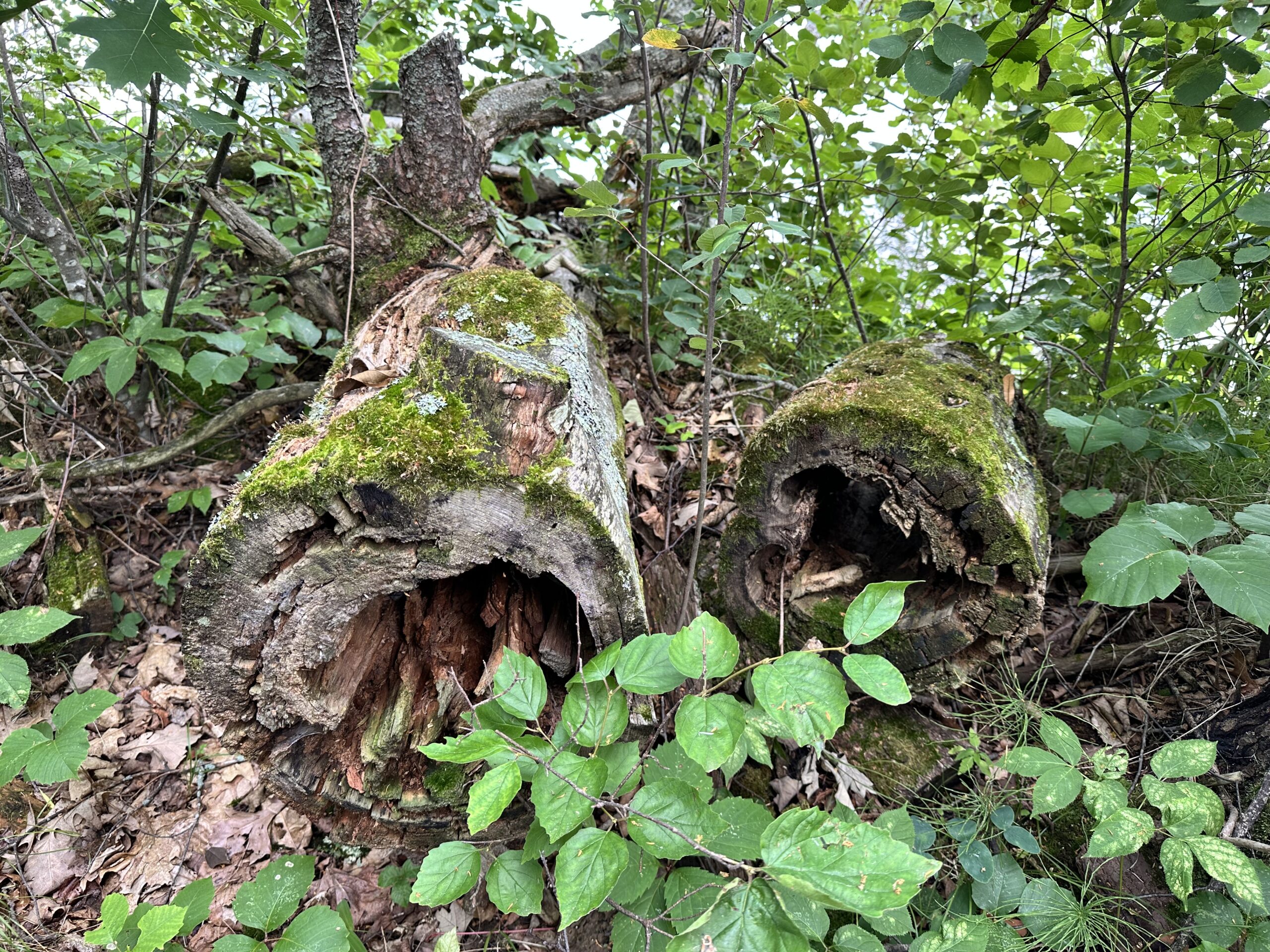
The decaying logs provide numerous benefits for fireflies. Females tend to prefer these areas because it provides a damp place to hide during the day and an easy perch to see males in the evening. After she has mated she can go underneath the logs and lay eggs in the damp soil and leaf litter underneath them. Depending on the genus of fireflies, most firefly larvae are subterranean in the soil or live in the leaf litter just above it.
The rotting logs attract snails and earthworms because it provides a damp habitat for them. Since they are herbivores, the logs harbor a community of food they prefer to eat such as plants, decaying organic matter and even other snails. The logs additionally work to enrich the soil by slowing breaking down and provides numerous benefits to both predator (firefly larvae) and prey (snails and earthworms).
An added advantage to installing rotting logs or wood piles in your habitat is that they can be an attractive addition especially if given enough time for bright green moss to grow on them. They also take up little space and invite other creatures into your garden such as song birds and other beneficial insects.
Build a Firefly Larvae Shelter
Along creeks, rivers, and forest edges, you’ll often find natural accumulations of sticks, branches, and fallen logs — debris piled up by flooding events or simply dropped from the trees above. These tangled wood piles are quietly some of the richest firefly habitat in the landscape. They hold moisture, shade the soil from drying sun, and shelter the snails, earthworms, and slugs that firefly larvae hunt. Female fireflies are drawn to these spots to lay their eggs because the damp ground underneath is exactly what their young need to survive. After a female firefly has mated, she will seek out dark spaces with access to the soil to lay her eggs. She also drinks moisture from the soil and damp wood, moss, or lichen to sustain herself and pass nutrients to her eggs.

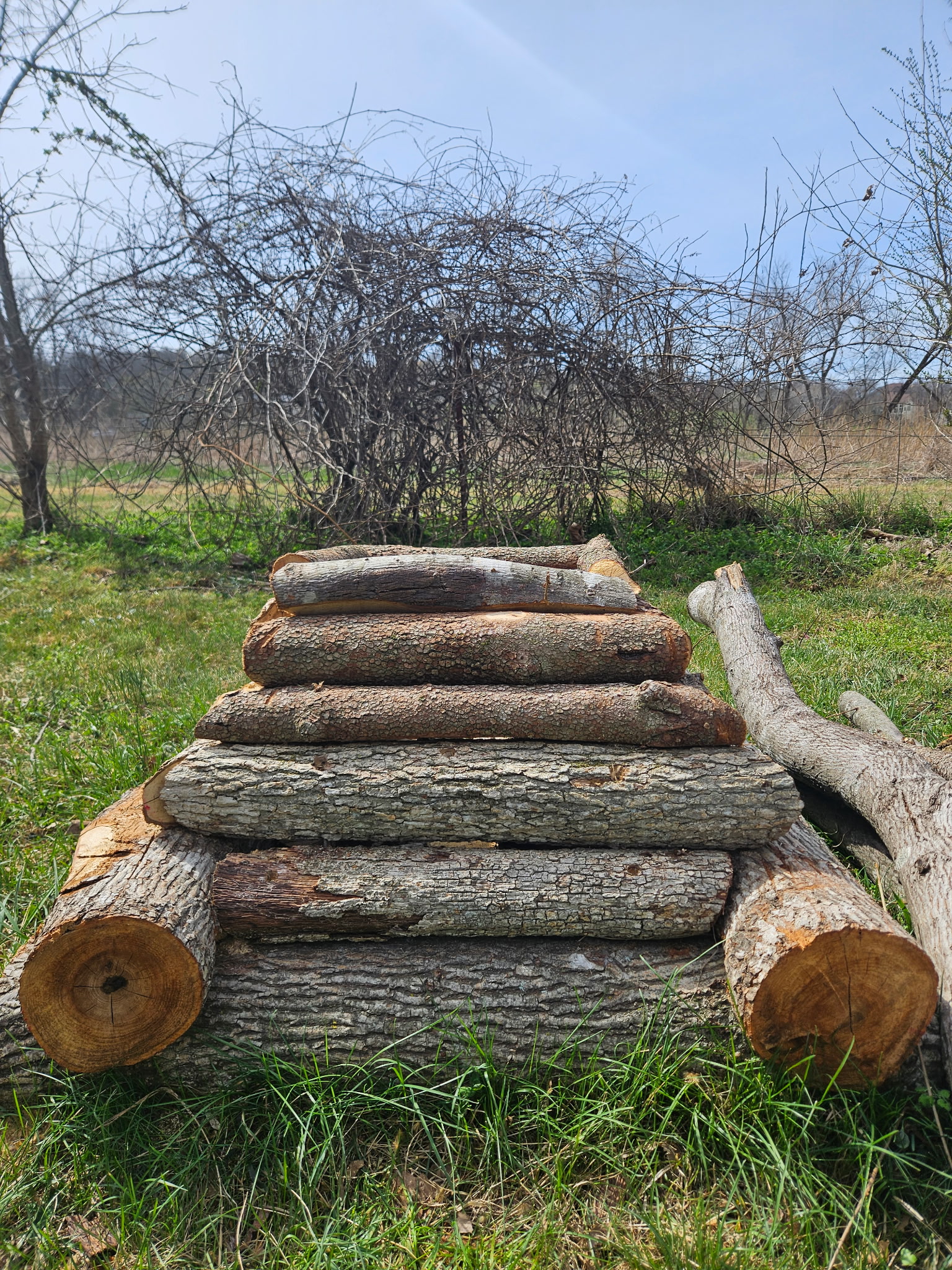


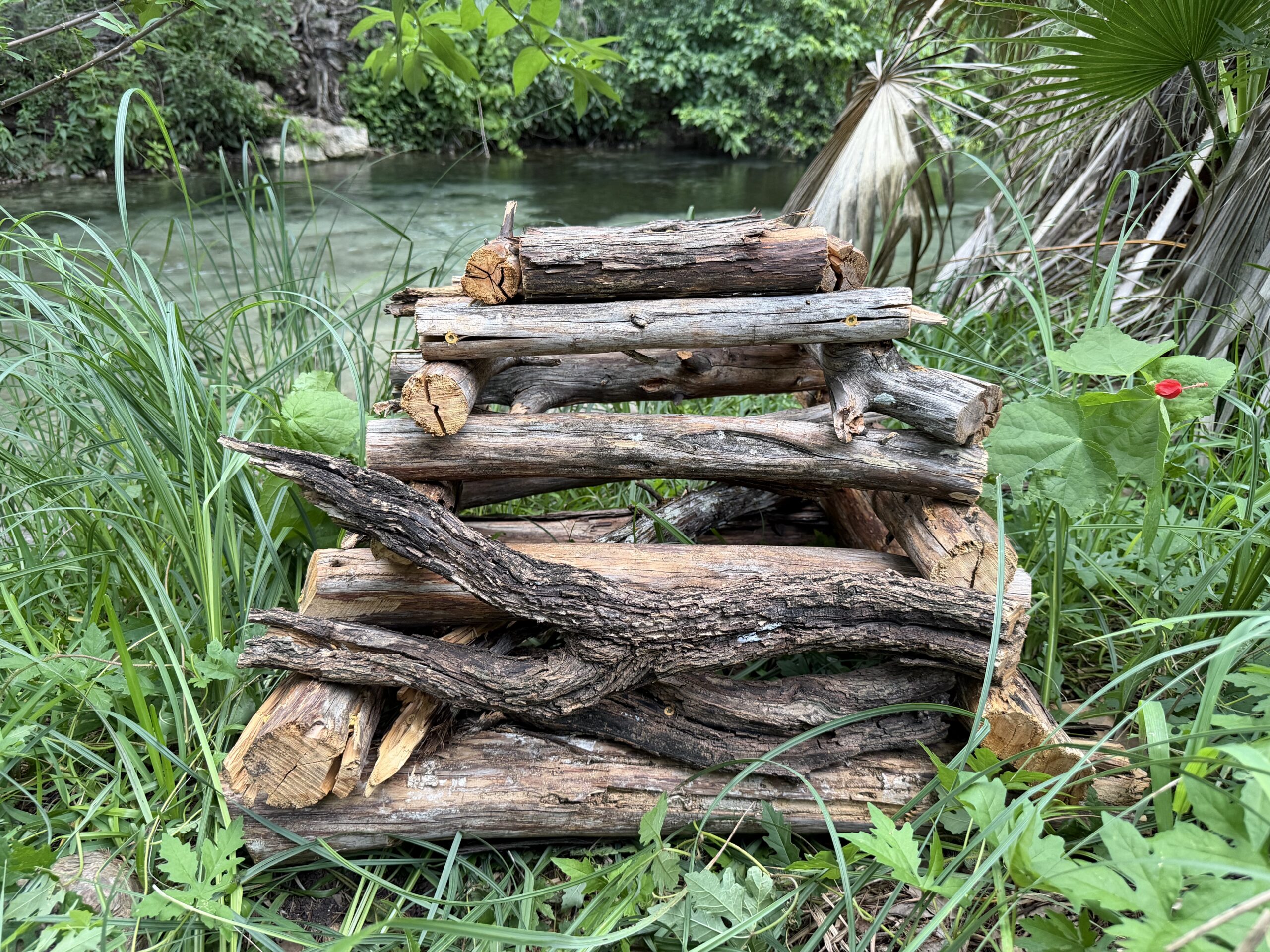
The Firefly Larvae Shelter was developed by Firefly Conservation & Research after years of fieldwork studying the needs of firefly larval development, inspired by direct observations by its founder. It’s a way to recreate this natural feature intentionally in your habitat — a kind of constructed safe haven for developing fireflies. Think of it as a more aesthetic, deliberate version of a brush pile: a sculpted wood structure that gives larvae a place to hide, hunt, and grow.
Fireflies are predator specialists. Some genera live in the leaf litter and hunt snails. Others, like those in the Photinus genus, live in the soil and pupate in the mud, preferring to eat small earthworms. A well-built shelter provides for both — leaf litter and crevices above, damp soil access below.
How to build one
The classic shape is a truncated pyramid — a square or rectangular log-cabin-style stack that slopes inward as it rises, leaving an open square at the top. You can also experiment with pentagons, hexagons, octagons, or a simple triangle that tapers to a point. Get creative. These shelters are meant to be more visually pleasing than a random brush pile, and that creativity is part of what makes them work as a feature in your landscape.
A few guidelines:
- Size: Anywhere from 2 feet to 5 feet wide at the base. Build something you can easily replicate.
- Log diameter: 2 to 6 inches works well. Put the largest logs at the bottom and taper to smaller ones at the top.
- Wood choice: Use softer woods that break down over time. Avoid dense hardwood species that resist decay. Logs with insect holes, peeling bark, or layered crevices are ideal — those small spaces are exactly what larvae use to hide.
- Leave gaps: Don’t pack the logs tightly. Space between timbers lets moisture in, lets plants grow through, and lets fireflies move freely.
- Top opening: Leave the top open, and consider laying a few loose sticks across the opening. These give adult fireflies a perch to fly from and a way to climb up out of the shelter.
- Cross-bracing: A few sticks crossing the structure add stability. Nails or screws aren’t necessary but are fine if you want a more permanent build.
- Center access to soil: Make sure the ground inside the shelter is exposed soil and leaf litter — not grass or mulch. If you’re building on lawn, pull the grass first. You can sprinkle damp soil and leaf litter in the center to jumpstart it.
Where to place it
Install your Firefly Larvae Shelter along the edges of creeks, rivers, ponds, or treelines — anywhere you’re trying to build firefly habitat and there’s a shortage of hiding places. Tuck it somewhere out of the way of foot traffic so it won’t be disturbed. Plant native grasses, forbs, or shrubs around it to integrate it into the surrounding habitat and help retain moisture.
This is also a wonderful project to build with kids or adults. It’s hands-on, creative, and gives them a tangible way to contribute to firefly conservation.
Create bag compost
Don’t rake leaves and put them on the curb. You are raking up firefly larvae and throwing them away. This method involves enriching your soil with existing material.
- Collect bags of leaves to make “Bag Compost”. Collect 5-15 bags.
- Wet bags down in a shady lawn area. Keep moist/wet for 3-6 months or up to a year.
- Bags will attract snails/slugs. This is food for growing fireflies.
- In Spring, put bag compost in your garden. Put it in mounds and till it into your soil.
- Repeat each year. It might take as long as 5 years, or as quick as that same year, to get fireflies in your garden.
Other ways to help attract fireflies:
- Assess your soil health. Healthy, living soil with good structure and organic content supports the snails, earthworms, and other prey firefly larvae depend on.
- Improve poor soil with organic matter. Introduce nutrients through bag compost, fallen leaves, and other organic material to build soil life over time.
- Loosen compacted soil. Till lightly, or use a no-till tool like a broadfork to aerate without disrupting soil structure. A broadfork is especially important in native areas where you want to avoid disturbing existing habitat.
- Avoid broad-spectrum pesticides. Lawn chemicals in particular are devastating to firefly larvae and the prey they hunt. Keep your firefly habitat chemical-free.
- Turn off outside lights. Light pollution interferes with firefly mating signals. Switch off exterior lights anywhere you install Firefly Larvae Shelters or rotting logs, and advocate for “Dark Skies” policies in your community.
- Let logs and leaf litter accumulate. Set aside a section of your land or yard to remain in a natural state. Resist the urge to tidy it up.
- Buy land to protect species. If you have the means, conserving habitat through land ownership or supporting land trusts is one of the most lasting contributions you can make.